November 4, 2025 · 5 min read
Electric heating options in Montreal, compared honestly
Baseboards, convectors, radiant floors and bi-energy compared honestly for Montreal homes: comfort, running logic, installation. Call (514) 909-3773.
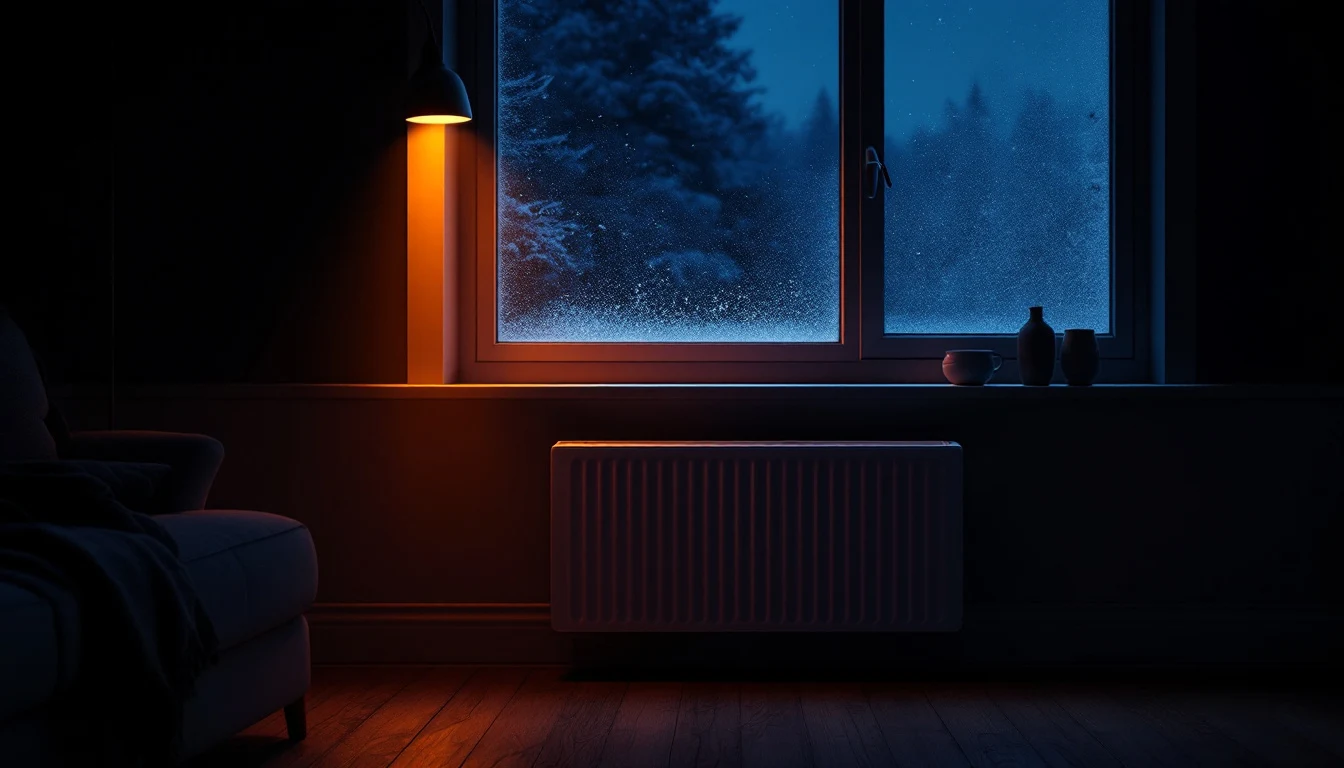
The first week of real cold settles the question. A back bedroom that never quite warms up. Baseboards that went in when the house was built and now click, smell of hot dust and take half the evening to catch up with the thermostat. A bathroom renovation on the calendar, and the recurring thought that this might be the moment for a heated floor.
Electric heating is the norm in Montreal, but the word covers four different ways of warming a room, with different comfort, different running logic and different installation work. Here is how baseboards, convectors, radiant floors and bi-energy actually compare, and who each one suits.
Baseboards: the default for a reason
Electric baseboards are the default in Quebec homes, and not by accident. They are the least expensive option to install, they have no moving parts, and every room gets its own thermostat, so an unused bedroom can sit cooler than the rooms you live in. A properly wired baseboard will run for decades.
The weaknesses are about comfort. A baseboard heats the air, the air rises along the wall, and the room warms through a slow convection loop. That means temperature swings, a dry feel, and dust carried across the element, which is the burnt smell on the first cold night of the season. Old dial thermostats make the swings worse because they let the room drift before they react. If you are keeping your baseboards, replacing those dials with electronic thermostats is the simplest comfort upgrade there is.
Baseboards suit rooms with free wall space under the windows, tight renovation budgets, and anyone who wants simple, reliable, room-by-room control.
Convectors: quieter, steadier heat
A convector looks like a thicker baseboard but works differently. The element is enclosed in a chamber that draws cool air in at the bottom, warms it and releases it higher on the wall. The airflow is faster and better directed, so the room reaches temperature sooner and holds it with less swing. Most people describe the result as a softer heat: fewer cold pockets, less of the scorched-dust smell, no ticking metal.
Convectors cost more than baseboards but run on the same kind of dedicated 240 volt circuit, so swapping one for the other is usually straightforward electrical work rather than a rewiring project. They are a good answer for bedrooms, basements and any room where a baseboard has always struggled.
One honest caveat: a convector does not add heating capacity by itself. If a room stays cold because the unit is undersized or the insulation is poor, the fix starts with a load calculation, not a nicer appliance.
Radiant floors: warmth you feel before you measure it
Radiant floor heating is a network of heating cables or mats installed under the floor covering, most often tile. Instead of warming the air, the floor warms the objects and people touching it. That is why a bathroom at the same measured temperature feels warmer with a radiant floor than with a baseboard.
It is the most comfortable heat of the four, and the most disruptive to add, because the cables go in when the flooring does. Timing is the whole game: the right moment for a radiant floor is the renovation you were already planning. Entrances, bathrooms and basement floors over cold concrete are where it earns its keep.
The electrical side is specific. The cables need a dedicated circuit, a thermostat with a floor sensor, and ground fault protection, which the code requires for floor heating. Radiant is also slow to respond by design, so it works best held at a steady temperature rather than switched on and off.
Bi-energy: electricity most of the winter, a second source for the coldest days
A bi-energy system pairs an electric furnace with a second heat source and switches automatically based on outdoor temperature. Electricity carries the house for most of the season; on the coldest days, the system hands off to the other fuel. Hydro-Québec offers a rate built around this arrangement: cheaper electricity in exchange for switching during peak periods.
Bi-energy suits houses that already have central ducting and a furnace, where converting entirely to electric heat would strain the electrical service. It is not a fit for a home heated room by room with baseboards, because there is no furnace to pair with. If you are considering it, the conversation involves your electrician and your heating contractor together, since the switchover control ties the two systems into one.
What installation involves, whichever you choose
All four options end at the electrical panel, so every serious heating conversation starts there.
- A load calculation. Heating is usually the largest electrical load in a Quebec home. Adding it or enlarging it means confirming that the panel and the service entrance can carry it.
- Dedicated circuits. Baseboards, convectors and heated floors run on their own 240 volt circuits, sized to the equipment they feed.
- The right thermostats. Electronic models for baseboards and convectors, a floor sensor model for radiant. Small parts, large share of the real-world comfort.
- Licensed work. In Quebec, electrical installation is reserved for licensed contractors. That is not a formality. Heating circuits carry sustained loads all winter, and the connections and grounding have to be right.
If your panel is already full, a heating project can become the moment a panel upgrade or an enlarged service entrance enters the picture. Better to learn that during planning than in the middle of a renovation.
Lighthouse Electrique has installed and serviced electric heating across Greater Montreal since 2007: baseboards, convectors, radiant floors, and the wiring behind electric furnaces and bi-energy systems. If a room in your house is not keeping up, or you want the electrical side of a heating project done to code the first time, see our electric heating service or call (514) 909-3773. We will tell you plainly which option fits your house, including when the least expensive one is the right answer.
Better to call early than too late.
24/7 Emergency Service: a firm price before any work starts.
Call (514) 909-3773 Request a callback