April 7, 2026 · 5 min read
EV charger rebates in Quebec
How EV charger rebates work in Quebec: eligibility basics, why the installation must be declared, and what paperwork to keep. Call (514) 909-3773.
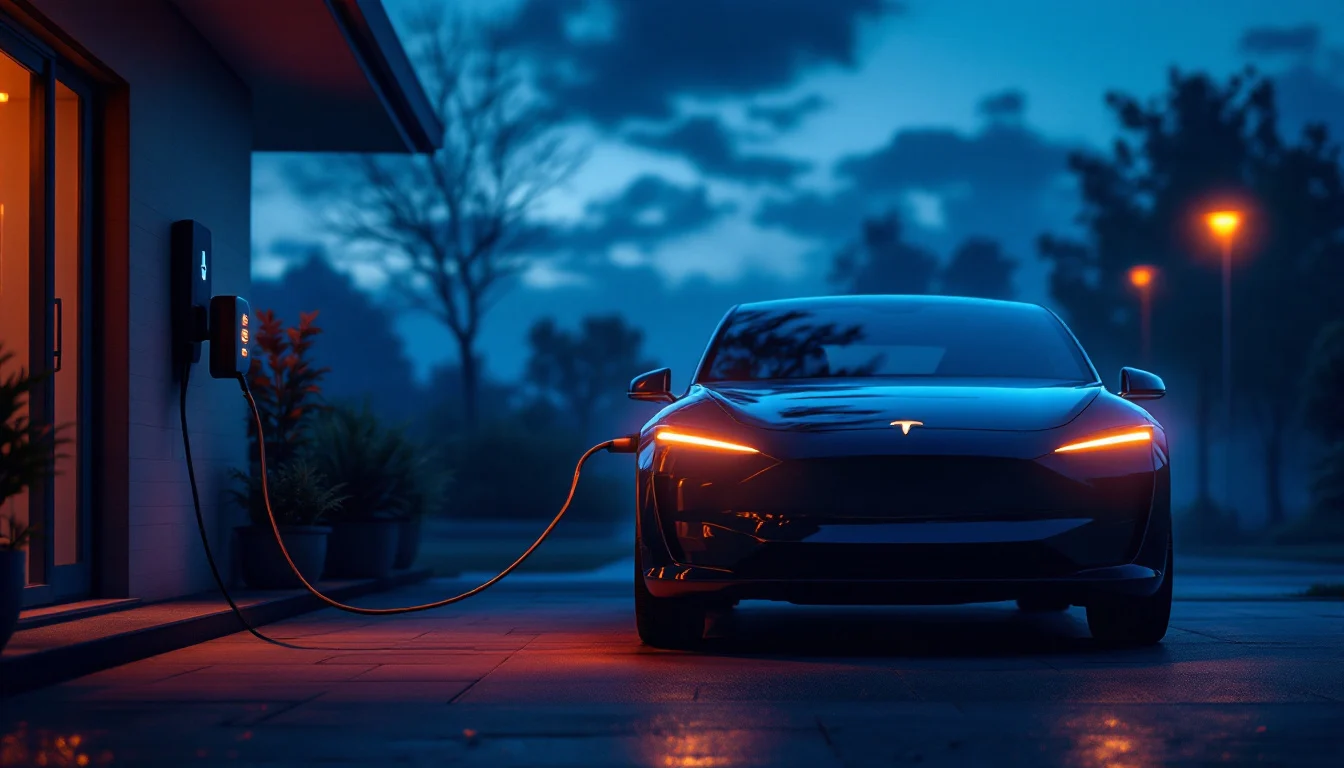
The snow is finally gone, the electric vehicle is in the driveway or on order, and you are doing the math on charging at home. Somewhere in that math sits a rebate you have heard about but cannot quite pin down. Who pays it. What it covers. What you have to do to actually receive it. This guide explains how EV charger rebates in Quebec generally work, in plain language, so the official pages make sense when you get there.
One caution before anything else. Programs change. Budgets get used up, terms get revised, eligible equipment lists get updated. That is why you will find no dollar figures here. A number that is accurate today can be wrong by the time you file a claim. Treat this as a map of how the system works, then confirm the current details on the government pages named at the end.
How EV charger rebate programs work
Two different things get subsidized, and people often mix them up. There are rebates on the vehicle itself, and there are separate rebates on home charging. This article is about the second kind: help with the cost of a charging station and its installation at your residence.
Home charging programs in Quebec have generally worked as reimbursements. You buy the charger, you have it installed, you pay the full invoice, and then you submit a claim with your receipts. The money comes back to you afterward. That order matters, because it means the paperwork produced during the installation is what carries your claim.
Three features show up again and again:
- Certified equipment. The charging station usually has to be certified for use in Canada and appear on the program’s list of eligible models. Check the list before you buy the hardware, not after.
- A compliant installation. The work is expected to meet the electrical code and to be done by people licensed to do it. More on this below, because it is the part most often misunderstood.
- A claim window. Programs typically give you a set period after purchase or installation to file. Note your dates and do not sit on the paperwork.
Who is eligible for a charger rebate
Eligibility rules vary from program to program, so read the current conditions rather than assuming. That said, the recurring themes are stable:
- You own or occupy the residence where the station is installed, and the address is in Quebec.
- The charger is a model on the eligible list, usually a level 2 station on its own dedicated circuit.
- The installation was done by a licensed electrical contractor, and your invoice proves it.
- You can show proof of purchase and proof of residence.
Condos and multi-unit buildings deserve a special mention. Installing a charger in a co-owned parking area involves the syndicate, the building’s electrical capacity and sometimes a separate program stream built for multi-unit buildings. It is done all the time in Montreal, but the order of operations matters more. Ask questions before any hardware is purchased.
Why the installation must be declared
In Quebec, electrical work is not a do-it-yourself item. The law requires it to be carried out by a contractor holding the proper licence from the Régie du bâtiment du Québec, and the contractor declares the electrical installation work to the RBQ. That declaration is not decoration. It is how the province knows the work exists, who did it, and under which licence.
For a rebate claim, the declared installation matters three times over:
- The claim runs on paperwork only a licensed contractor produces. A detailed invoice with the contractor’s name and RBQ licence number is the backbone of the file. A cash job with no invoice has nothing to submit.
- Programs expect code-compliant work. An installation done outside the rules can disqualify the claim entirely, which turns the cheap option into the expensive one.
- The paper trail outlives the rebate. When you sell the house, or when an insurer asks questions, a declared installation answers for itself. An undeclared one becomes your problem to explain.
There is a technical reason behind all of this too. A level 2 charging station is one of the largest continuous loads a house can carry. Before one goes in, a load calculation confirms that your electrical panel and service entrance can take it. Sometimes the honest answer is that the panel needs work first. That is worth knowing before the charger is bought, not after.
What paperwork to keep
Build the file as the project happens and the claim becomes an errand instead of an ordeal. Keep:
- the detailed invoice, showing the charger’s brand, model and serial number, the installation work, and the contractor’s RBQ licence number
- the proof of payment
- a proof of residence for the installation address
- any form the program asks the contractor or the vendor to sign
Keep copies after you file, too. Claims can be reviewed, and the person with organized paperwork has short conversations.
Where to check the current programs
Go to the source, by name, rather than trusting a blog’s summary of a moving target, including this one:
- Roulez vert, the Quebec government’s electric vehicle program. Search the name and make sure you land on the official Québec.ca page. This is where home charging rebates for Quebec residences have lived.
- Hydro-Québec’s pages on charging at home, for practical guidance on home charging and on what your electrical service can support.
- The Government of Canada’s zero-emission vehicle pages, for the federal side of the picture.
- Your municipality, which occasionally adds incentives of its own.
If a third-party site shows you numbers, verify them against those pages before making decisions.
Planning an installation this spring, before the summer road trips? Lighthouse Electrique installs home charging stations across Greater Montreal, with the load calculation done first and the work declared the way the code requires. Read how we approach it on the EV charger installation page, or call (514) 909-3773 and ask about the current rebate program while you are at it. A licensed master electrician answers, in English or in French. Since 2007.
Better to call early than too late.
24/7 Emergency Service: a firm price before any work starts.
Call (514) 909-3773 Request a callback